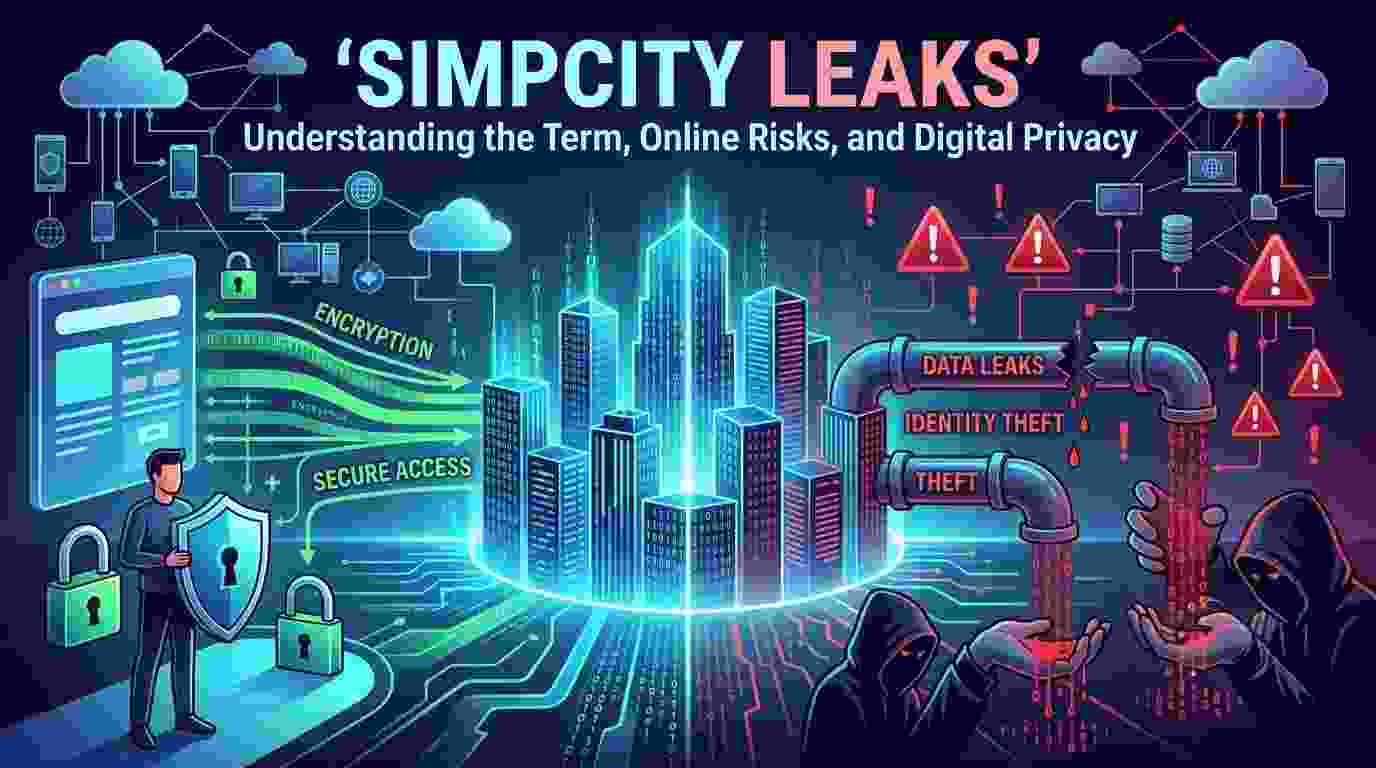
Online communities often create their own vocabulary around trending topics, forums, and viral discussions. One phrase that has attracted attention is simpcity leaks. People may encounter the term through search engines, social media conversations, discussion boards, or posts referring to allegedly private material shared online.
Understanding this topic requires more than simply knowing what the phrase means. It also involves recognizing the difference between public information and private content, understanding digital privacy, and knowing why reposting or searching for unauthorized material can create serious ethical and legal concerns. This article explains the subject from an informational perspective without directing readers toward private or unauthorized content.
What Does Simpcity Leaks Mean?
The phrase simpcity leaks is generally used online to describe discussions involving allegedly leaked or unauthorized content associated with online creators, influencers, or community personalities. The word “leaks” usually suggests that material was shared beyond its intended audience without proper permission.
Search interest around such phrases can increase quickly when screenshots, rumors, or links circulate across social platforms. However, a search result does not automatically confirm that the material is authentic. Content can be edited, mislabeled, fabricated, or taken out of context.
Why the Term Gets Attention
Internet curiosity is one reason these topics spread rapidly. A headline suggesting exclusive or private material can attract clicks, while social sharing can make an unverified claim appear credible. This creates a cycle in which rumors become more visible even when the original source is questionable.
Readers should therefore treat claims about leaked content carefully and avoid assuming that everything presented online is genuine.
Privacy Concerns Around Leaked Content
The biggest issue surrounding simpcity leaks is privacy. When personal material is distributed without consent, the people shown or discussed in that material may lose control over information that was never intended for public viewing.
Privacy violations can have consequences that extend beyond the internet. Victims may experience harassment, reputational damage, emotional distress, unwanted attention, or attempts to identify their personal information.
Sharing unauthorized material can also contribute to the problem. Even if someone did not obtain the content originally, reposting, downloading, or distributing it may continue the privacy violation.
Responsible internet use means respecting consent and recognizing that curiosity does not override another person’s right to privacy.
How to Evaluate Claims About Online Leaks
When encountering simpcity leaks, users should pause before clicking, downloading, or sharing anything. Online claims often spread faster than reliable information, especially when they involve celebrities, creators, or controversial communities.
First, consider the source. Is the information coming from a reputable publication, or is it simply an anonymous post? Second, look for independent confirmation. Multiple posts repeating the same statement do not necessarily provide independent evidence if they all originate from one unverified claim.
It is also important to watch for phishing attempts. Pages advertising supposedly exclusive files may actually be designed to collect passwords, install malware, or redirect visitors to unsafe websites.
Common Warning Signs
Suspicious websites often use exaggerated headlines, urgent language, fake download buttons, or requests for personal information. Unexpected files should never be downloaded simply because a webpage claims they contain exclusive material.
Users should also avoid entering social-media passwords into unfamiliar websites. Using unique passwords, enabling two-factor authentication, and keeping browsers and security software updated can reduce common online risks.
Legal and Ethical Issues to Consider
The discussion surrounding simpcity leaks also raises important questions about consent and responsible sharing. Laws differ between countries and circumstances, but unauthorized distribution of private or intimate material can potentially create serious legal problems.
There is an important distinction between discussing a public controversy and distributing someone’s private material. Reporting on an event can be legitimate, while uploading or circulating unauthorized personal content may cause further harm.
From an ethical standpoint, the simplest principle is consent. If a person did not agree to have private material distributed publicly, users should not help spread it. This principle applies whether the person is famous, an influencer, or an ordinary internet user.
Search engines and social platforms also have mechanisms for reporting certain privacy violations. Users who encounter genuinely harmful or unauthorized material can consider reporting it rather than amplifying it.
Safer Ways to Research the Topic
People searching for simpcity leaks may actually be looking for information about an online community, a controversy, or a particular claim rather than the private material itself. In that situation, safer research methods can provide useful context without exposing anyone’s personal information.
Look for reputable news coverage, public statements, verified social-media accounts, and general discussions that do not reproduce private content. Be cautious with websites promising “full collections,” “exclusive downloads,” or similar material, particularly when they require registration or payment.
Good digital research also means separating facts from speculation. A viral screenshot is not necessarily proof, and an anonymous account is not automatically a reliable source.
Protecting Your Own Digital Privacy
The same lessons apply to everyone. Avoid sharing sensitive personal information publicly, review account privacy settings, and be selective about who can access private files. Strong passwords and two-factor authentication add another layer of protection.
If personal content is exposed without permission, documenting the relevant evidence and using platform reporting tools may be appropriate. Depending on the circumstances and jurisdiction, professional legal or digital-safety advice may also be useful.
FAQ About Simpcity Leaks
What are simpcity leaks?
The phrase generally refers to online claims or discussions about allegedly leaked or unauthorized material connected with an online community or its personalities.
Are all leak claims genuine?
No. Online claims can be false, manipulated, outdated, or taken out of context. Independent verification is important.
Is sharing leaked content safe?
Sharing unauthorized private content can create privacy, ethical, security, and potentially legal concerns. It is safer not to redistribute it.
How can I avoid scam websites?
Avoid suspicious downloads, unfamiliar login pages, urgent payment requests, and websites demanding passwords or personal information.
What should I do if I find private content shared without consent?
Do not repost it. Where appropriate, report the material to the platform and consider seeking professional advice if the situation involves serious privacy or safety concerns.
Conclusion
simpcity leaks is a phrase that demonstrates how quickly online curiosity can intersect with privacy, misinformation, cybersecurity, and ethical concerns. While people may encounter the term through viral posts or search results, responsible internet use requires looking beyond sensational claims.
The safest approach is to verify information through credible sources, avoid unauthorized private material, protect personal accounts, and respect the consent of people whose information appears online. In a digital environment where content can spread within minutes, thoughtful browsing and responsible sharing are essential. Understanding the risks helps users stay informed without contributing to privacy violations or unsafe online activity.