When people encounter an unfamiliar phrase online, understanding what it refers to can be surprisingly difficult. Search terms can combine usernames, community names, platform references, and trending discussions into a phrase that appears in many different places. One example is foreignjelly simpcity, a keyword that may attract attention from users researching online communities and creator-related discussions.
Rather than relying on assumptions, it is useful to approach an unfamiliar keyword through context, search intent, and digital awareness. This guide focuses specifically on understanding the phrase, why people may search for it, how online discussions develop around niche terms, and how readers can evaluate information responsibly.
What Does Foreignjelly Simpcity Mean?
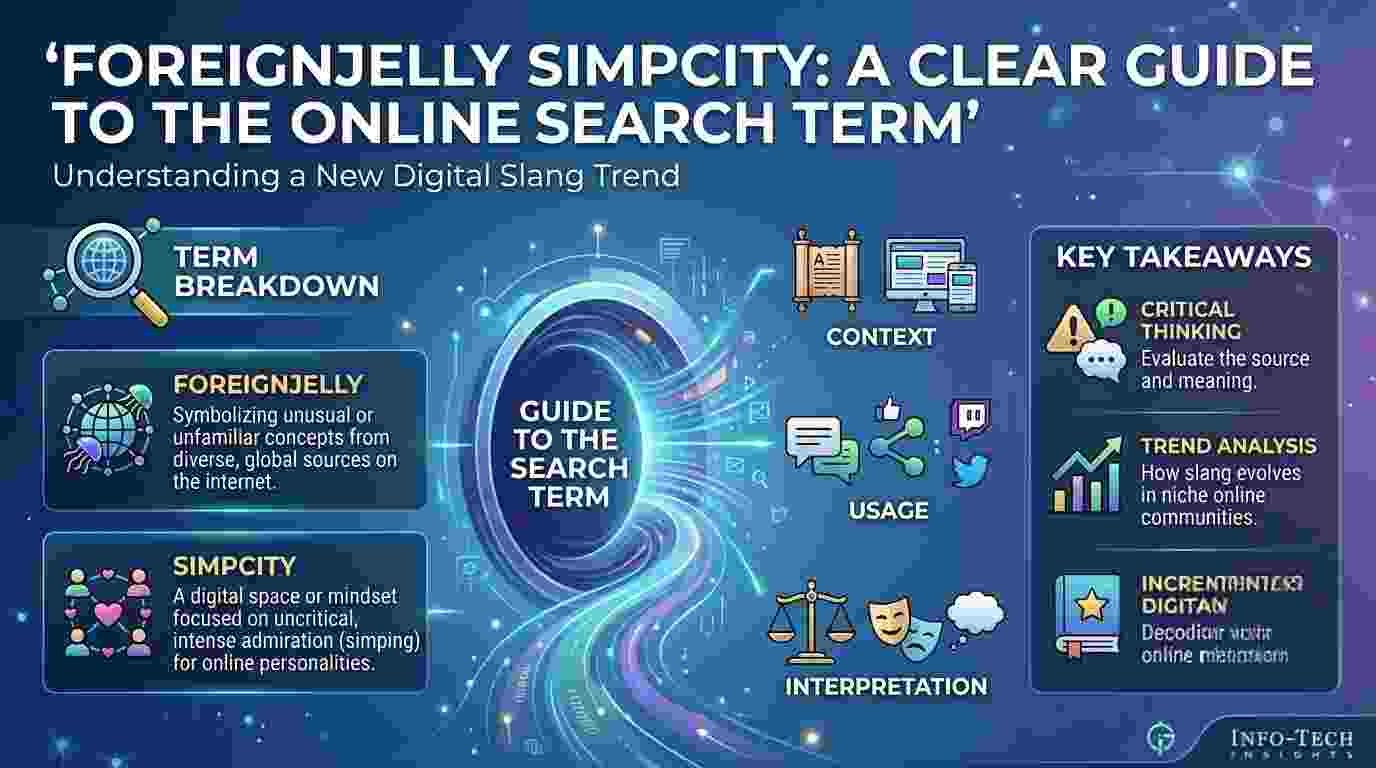
The phrase foreignjelly simpcity appears to combine the name “Foreignjelly” with “Simpcity,” suggesting a connection between a creator, online identity, community, or discussion space and the broader Simpcity-related search ecosystem.
Because internet terminology can change quickly, a keyword does not always have one fixed meaning. A person searching for the phrase might be looking for general information, community discussions, creator-related references, archived conversations, or explanations of content they have encountered elsewhere.
Search intent is therefore important. Two people entering the same keyword can have completely different reasons for doing so. One may want background information, while another may be trying to identify where a particular discussion originated.
Why Context Matters
Online names are frequently reused across websites and social platforms. A username may represent a creator on one service while appearing in discussions somewhere else. This makes it important to distinguish confirmed information from speculation.
Why People Search for the Keyword
Interest in foreignjelly simpcity can be influenced by curiosity, social media activity, online trends, or references shared within internet communities. When a name begins appearing repeatedly in posts, comments, or search results, users often want to understand the connection.
Search engines can amplify this effect. A topic does not necessarily need to be widely covered by mainstream publications to generate substantial interest. A few active communities can create significant search activity around a niche phrase.
People also search for unfamiliar terms because they encounter them without explanation. Someone may see a username in a comment or forum discussion and search for additional context. In these situations, an informational article can help explain terminology without presenting rumors as established facts.
Understanding Online Communities and Search Trends
The term “Simpcity” may be encountered in discussions involving online communities and creator-focused conversations. Like many internet communities, niche spaces can develop their own language, recurring topics, and references that are difficult for newcomers to understand.
When foreignjelly simpcity becomes a search phrase, its popularity may reflect this broader pattern of community-driven discovery. Users often move between social media, forums, search engines, and creator pages while trying to piece together information.
Another important factor is content indexing. Search engines may display pages based on keywords even when those pages provide little useful context. A high-ranking result is not automatically authoritative, current, or accurate.
How Search Results Can Be Misleading
A page may use a popular keyword simply to attract visitors. Headlines can exaggerate a connection, while repeated claims can make speculation appear factual. Readers should examine the actual content of a page rather than judging its reliability from the title alone.
Checking publication dates, identifying the source, and comparing independent information are simple ways to improve online research.
Responsible Research and Digital Privacy
Researching foreignjelly simpcity should involve the same basic digital-literacy principles that apply to any unfamiliar online topic. Users should distinguish publicly available information from private or unauthorized material.
Privacy is particularly important when discussions involve individual creators or social-media personalities. A person’s online presence does not mean every piece of information associated with them should be redistributed. Responsible browsing means respecting boundaries and avoiding the spread of personal information without permission.
Cybersecurity should also remain part of the process. Pages promising exclusive material may sometimes contain misleading advertisements, suspicious downloads, phishing forms, or other security risks.
Users should never provide passwords, financial information, or unnecessary personal details to unfamiliar websites simply because a page promises additional information.
How to Evaluate Information About the Topic
When researching foreignjelly simpcity, start with the source. Determine whether the information comes from a verified account, an established publication, a community discussion, or an anonymous post.
Next, consider whether the claim can be independently confirmed. Several accounts repeating identical information may not represent several independent sources. They could all be copying the same original claim.
It is also useful to separate facts from commentary. A public statement, dated post, or clearly attributed source can provide evidence, while speculation should be treated as speculation.
Readers should also consider the date of the information. Internet discussions can remain searchable long after they become outdated, causing old rumors or conversations to appear relevant when they are no longer current.
FAQ About Foreignjelly Simpcity
What is foreignjelly simpcity?
It is an online search phrase combining “Foreignjelly” and “Simpcity,” generally encountered in searches or discussions involving online communities and creator-related topics.
Why is this keyword searched?
People may search it because they encountered the phrase on social media, forums, search results, or online discussions and want additional context.
Is every search result reliable?
No. Search results can contain outdated, inaccurate, promotional, or speculative information. Checking the source is essential.
Should private information be shared?
No. Responsible internet users should respect personal privacy and avoid distributing information or material that was not intended for public circulation.
How can users research safely?
Use reputable sources, avoid suspicious downloads and login pages, verify claims through independent information, and protect personal account details.
Conclusion
Understanding foreignjelly simpcity requires a careful approach rather than assumptions based on isolated search results. Internet keywords can develop quickly through community discussions, social media references, and changing search trends, while the information surrounding them may vary greatly in quality.
The most reliable approach is to examine context, verify claims, consider the source and date, and respect digital privacy. By combining curiosity with responsible research habits, readers can better understand unfamiliar online terminology while avoiding misinformation, scams, and unnecessary privacy risks.