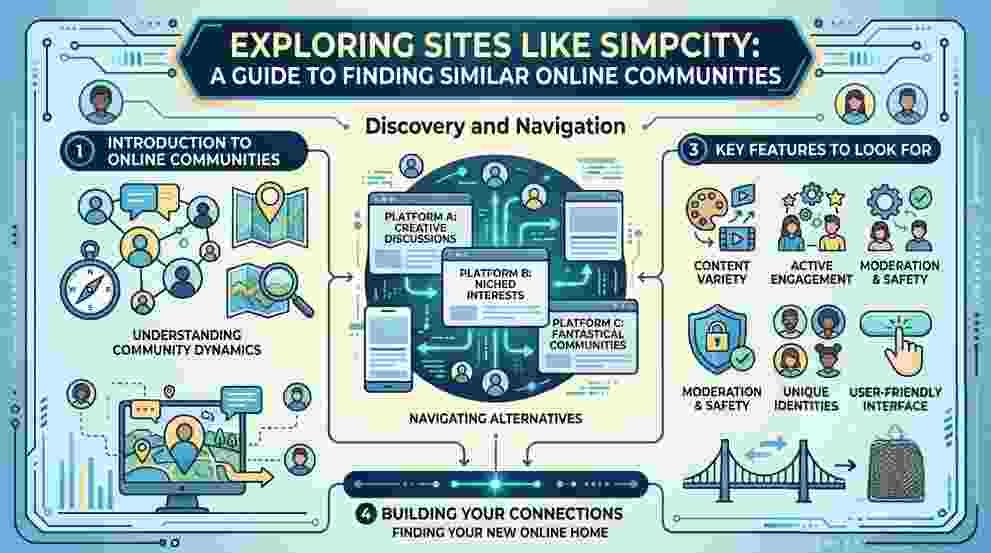
People often search for online communities where they can discover discussions, meet users with similar interests, and explore creator-focused conversations. When one community becomes difficult to access or no longer matches a user’s interests, looking for alternatives can be a natural next step. The phrase sites like simpcity is commonly used by people who want to discover comparable discussion platforms and community-driven websites.
Finding a suitable alternative is not simply about choosing a website with a similar name. The quality of moderation, privacy controls, search features, user activity, content policies, and overall community culture can make a significant difference. A good alternative should also provide a comfortable environment where users can participate responsibly.
What Are Sites Like Simpcity?
The phrase sites like simpcity generally refers to online forums, discussion communities, and social platforms that offer an experience similar to what users seek from Simpcity. Depending on individual preferences, this might mean active discussions, creator communities, user profiles, searchable threads, media-focused conversations, or niche-interest groups.
Not every alternative will offer exactly the same features. Some platforms focus heavily on traditional forums, while others use social feeds, private groups, or community channels. This variety can actually be useful because users can select a platform based on how they prefer to communicate.
Before joining a new community, it is worth checking its rules and content policies. Understanding how a platform handles moderation and user privacy can prevent unpleasant surprises later.
What Makes a Good Alternative?
A strong community platform usually has clear rules, active moderation, useful search tools, and a reasonable balance between free expression and user safety. A welcoming community is also important because technical features alone do not guarantee a good user experience.
Popular Features to Look For
When researching sites like simpcity, users should first decide which features matter most. Some people prioritize large communities with frequent discussions, while others prefer smaller groups where conversations feel more focused.
Discussion threads are one important feature. Threaded conversations make it easier to follow questions, responses, updates, and community opinions. Search functionality is equally valuable because active forums can contain thousands of posts.
User profiles and notifications can also improve engagement. Profiles allow members to establish an identity within a community, while notifications help them keep track of replies and ongoing conversations.
Moderation tools deserve special attention. Clear reporting systems, community guidelines, and responsive moderators can make a platform more enjoyable and reduce spam, harassment, and unwanted content.
Types of Communities to Consider
There are several types of platforms users can explore when looking for alternatives. Traditional forums are often best for long-form discussions and organized threads. Social communities may be better for quick conversations, trending topics, and real-time interaction.
Creator-focused communities are another option. These platforms may allow users to follow specific creators, discuss public posts, and participate in interest-based groups. Private community services can provide a more controlled environment, although access requirements and moderation policies vary.
Some users may also prefer broad discussion platforms with thousands of individual communities. These sites can provide greater variety, allowing users to move between topics without creating separate accounts for every interest.
The best choice depends on whether a person values community size, niche discussions, ease of use, privacy, or content discovery.
How to Choose the Right Community
When comparing sites like simpcity, avoid choosing a platform solely because it appears high in search results. Search rankings can change, and promotional pages do not always reflect the actual user experience.
Start by examining the platform’s community guidelines. Look for clear policies regarding harassment, privacy, spam, impersonation, and inappropriate material. A transparent moderation system is usually a positive sign.
Next, consider activity levels. A website may look impressive but have very little recent discussion. Checking recent posts can provide a better idea of whether the community is active.
Privacy should also be part of the decision. Users should review account settings, understand what information is visible publicly, and avoid sharing unnecessary personal details.
Safety Tips for New Platforms
Use a unique password for every community account and enable two-factor authentication when available. Be cautious about links sent by strangers, especially links requesting login information or downloads.
Users should also verify that they are visiting the legitimate website rather than a lookalike domain. Scam pages sometimes imitate familiar communities to collect passwords or personal information.
Benefits of Exploring Alternative Communities
Exploring sites like simpcity can introduce users to different perspectives and community cultures. A new platform may have better moderation, more useful search tools, or a community that is more closely aligned with a user’s interests.
Another advantage is discovery. Smaller communities can sometimes provide more focused conversations than massive social networks. Users may find specialized discussions that are easier to follow and more engaging.
Alternatives can also encourage healthier online habits. If a platform has strong moderation and clear rules, conversations may be easier to navigate and less dominated by spam or disruptive behavior.
Ultimately, the goal should not be to find an identical copy of one website. It is to find a community that provides the features, atmosphere, and safety standards that matter most to the individual user.
FAQ About Sites Like Simpcity
What are sites like Simpcity?
They are online communities or discussion platforms that offer features or experiences that may appeal to people familiar with Simpcity.
What should I compare first?
Look at community activity, moderation, privacy settings, search features, and the types of discussions available.
Are larger communities always better?
No. Large communities provide variety, while smaller communities may offer more focused and personal discussions.
How can I stay safe?
Use strong unique passwords, enable two-factor authentication, avoid suspicious links, and limit the personal information you share.
Should I join several communities?
You can explore multiple platforms and decide which community best matches your interests, communication style, and privacy preferences.
Conclusion
Searching for sites like simpcity can be a useful way to discover new online communities and discussion platforms. The ideal alternative depends on what each user values, whether that is active conversations, creator-focused discussions, strong moderation, privacy controls, or niche communities.
Rather than choosing an alternative based only on popularity, take time to review its features, community rules, activity levels, and security practices. A thoughtful comparison can help users find a platform that is enjoyable, useful, and respectful of online privacy. With the right approach, exploring new communities can become an opportunity to discover fresh conversations and connect with people who share similar interests.