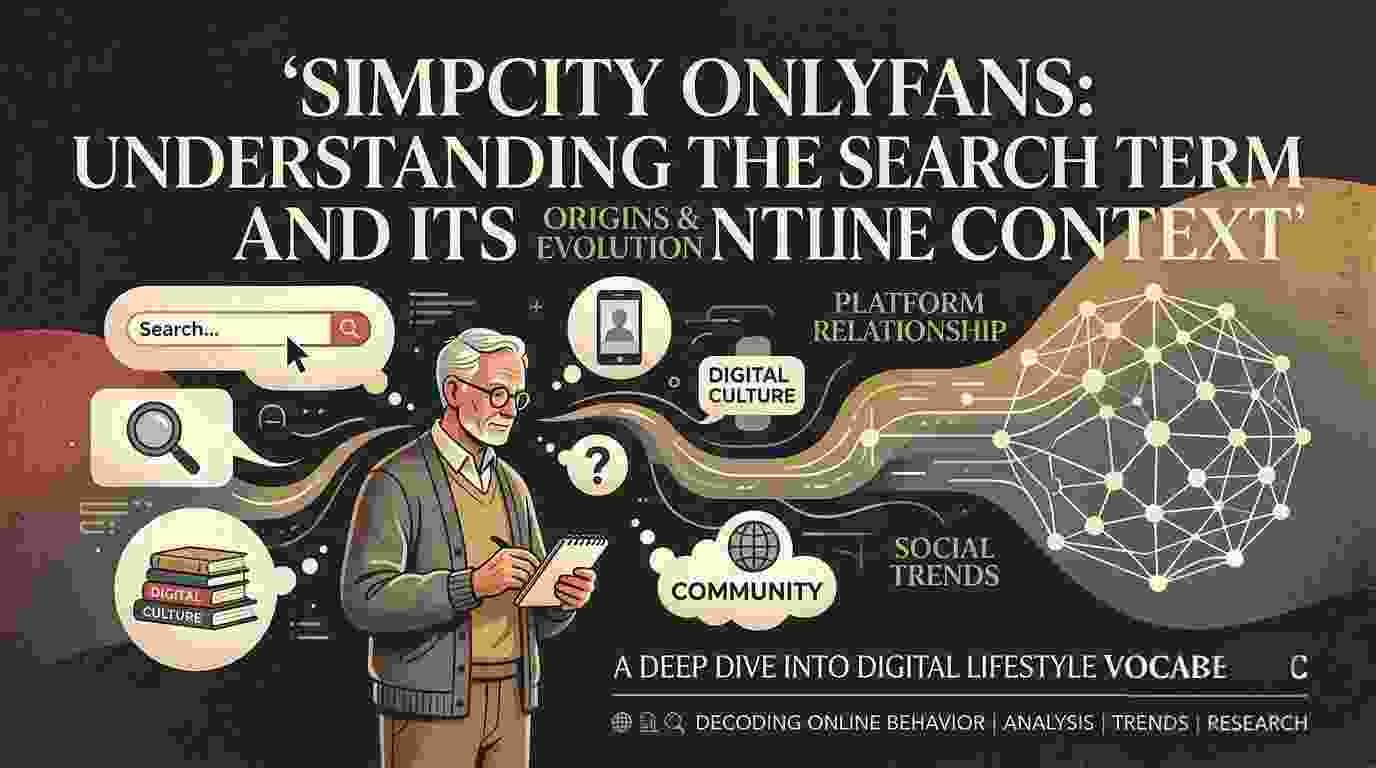
Online search behavior frequently brings together the names of communities, creators, platforms, and content categories. One example is simpcity onlyfans, a phrase that may appear in searches involving online communities and subscription-based creator platforms.
Understanding a search term like this requires looking beyond the keyword itself. Users may be searching for public information about creators, discussions taking place within online communities, or general information about subscription platforms. At the same time, search results can contain outdated claims, unofficial pages, misleading links, or material that was not intended for redistribution.
This guide examines the topic from a digital-information perspective, focusing on search intent, creator platforms, community discussions, privacy, and responsible online research.
What Does Simpcity OnlyFans Mean?
The phrase simpcity onlyfans combines the name “Simpcity” with “OnlyFans,” a subscription-based platform used by creators to publish content for paying subscribers. The combined search term can therefore indicate interest in discussions connecting a particular online community with creators or public profiles associated with the platform.
Search keywords do not always have a single fixed meaning. One person may use the phrase to find a creator’s public profile, while another may be looking for community discussions or general information.
It is important to distinguish between publicly available creator information and private or unauthorized material. A search result containing a person’s name does not automatically establish that every claim or piece of content associated with that result is genuine.
Why Search Context Matters
Online communities often create their own terminology and references. A keyword can spread quickly through posts, comments, social media, and search engines without a reliable source explaining its origin.
For this reason, readers should examine the source, date, and context of information before accepting a claim as factual.
How Creator Platforms Influence Online Communities
Subscription-based creator platforms have changed the relationship between online personalities and their audiences. Instead of relying entirely on advertising or traditional media, creators can build direct relationships with subscribers and offer exclusive material through paid memberships.
When simpcity onlyfans appears in online searches, it may reflect this wider creator economy. Users can discover creators through social media, community discussions, search engines, and public profile links.
However, community discussion and official creator information are not necessarily the same thing. An official profile provides information published by the creator or platform, while a forum post may contain personal opinions, speculation, or information copied from elsewhere.
Understanding this distinction helps users navigate creator-related searches more responsibly.
Why People Search for This Keyword
People searching simpcity onlyfans may have different forms of search intent. Some users may want to identify a creator, find a legitimate public profile, understand a community reference, or learn how subscription-based creator platforms work.
Others may encounter the phrase through a discussion and want additional context. Search engines often display a mixture of official pages, community posts, social-media references, and third-party websites, making it important to evaluate each result carefully.
Search popularity can also be influenced by viral posts. A single discussion may generate hundreds of reposts, causing a phrase to become more visible even when there is little independently verified information available.
Readers should therefore avoid assuming that repeated online claims are automatically accurate.
Privacy and Responsible Content Sharing
Privacy is particularly important when searching for creator-related information. Simpcity onlyfans may lead users toward discussions involving identifiable individuals, making it essential to distinguish public content from private material.
Creators can choose what they want to publish publicly or make available to subscribers. Redistributing material outside its intended context can violate privacy expectations and, depending on the circumstances, potentially raise copyright or legal concerns.
Responsible users should avoid seeking, downloading, or sharing material that appears to have been obtained without permission. They should also avoid publishing personal information such as private addresses, phone numbers, or account credentials.
Respecting Creator Boundaries
A creator’s public presence does not mean every aspect of their personal life is public. Healthy online participation means respecting boundaries and using information for its intended purpose.
When discussing creators in online communities, users should focus on publicly available information and avoid harassment, impersonation, or attempts to expose private details.
How to Research the Topic Safely
When researching simpcity onlyfans, start with legitimate sources. If the goal is to find a creator’s official presence, look for verified social-media accounts or links provided directly by the creator.
Be cautious with websites promising exclusive downloads, leaked material, or access to private accounts. Such pages can contain phishing attempts, malicious files, misleading advertisements, or requests for unnecessary personal information.
Account security is equally important. Users should use unique passwords, enable two-factor authentication when available, and avoid entering login credentials on unfamiliar websites.
It is also useful to check publication dates and compare independent sources. Old forum discussions can remain visible in search results long after circumstances have changed.
FAQ About Simpcity OnlyFans
What does the search term mean?
It combines “Simpcity” with “OnlyFans” and may be used to find creator-related discussions, profiles, or community references.
Is every search result trustworthy?
No. Search results can include outdated, inaccurate, unofficial, or misleading information.
Where should users look for official information?
The safest approach is to use official creator profiles, verified social accounts, or legitimate platform pages.
Should private material be redistributed?
No. Users should respect creator privacy and avoid sharing material that was not intended for public distribution.
How can users avoid scams?
Avoid suspicious downloads, unfamiliar login pages, requests for passwords, and websites making unrealistic promises about exclusive access.
Conclusion
The phrase simpcity onlyfans reflects the way online communities, creator platforms, and search behavior can overlap. People may encounter the term for many different reasons, from looking for public creator information to understanding a discussion they discovered online.
The best approach is to evaluate sources carefully, distinguish official information from community speculation, and respect privacy and content ownership. Users should also protect their accounts and avoid suspicious websites that promise unauthorized or exclusive material.
As the creator economy continues to develop, responsible digital behavior remains essential. Searching for information can be useful, but thoughtful research, respect for creators, and strong online security habits help ensure that curiosity does not contribute to privacy violations or unsafe browsing.